
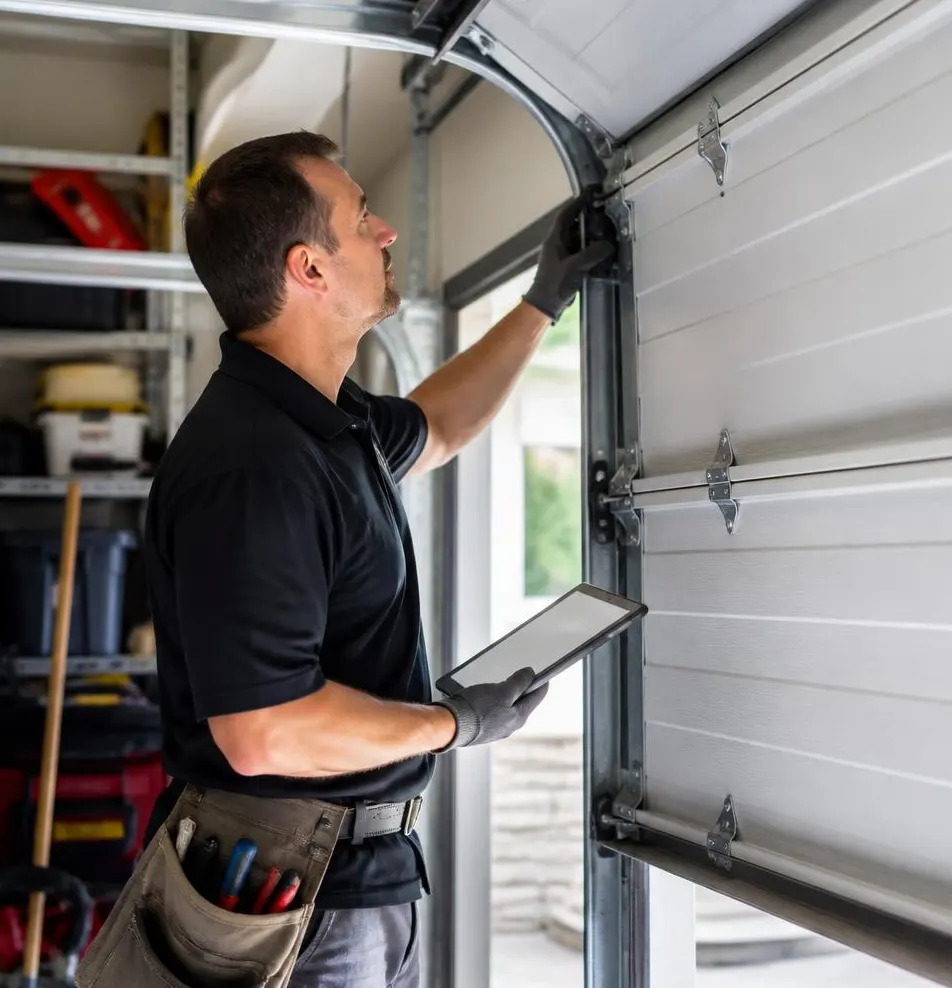
The One-Sentence Rule, and Why Miami Breaks It
In most of the country, a garage door that's stuck or sluggish in cold weather means ice or a stiffened spring, and the fix is heat and lubrication. That rule doesn't really apply here. Garage doors in Miami almost never see actual freezing temperatures, so if your door is dragging, grinding, or refusing to budge on a cool November morning, the cause is something that mimics a "frozen" door without any ice involved: humidity swelling, salt air corrosion, or a spring that's reacting to a sudden temperature swing after months of heat. The exceptions matter more than the rule in this climate, so it's worth knowing what to check and in what order.
Symptoms Worth Paying Attention To
- The door moves a few inches, then stalls or reverses on its own.
- The opener motor sounds like it's straining, humming louder than usual before the door moves.
- The bottom panel or weather seal looks like it's wedged against the slab instead of sliding over it.
- Rollers squeal or stick in the track instead of rolling smoothly.
- The door closes unevenly, with one side dropping faster than the other.
- You see a fine rust-colored residue or streaking on the tracks or hardware.
None of these mean the door is literally frozen. But they're the same symptoms a technician up north would associate with cold-stiffened moving parts, and Miami's version of that stiffness comes from moisture rather than ice.
Causes, in the Order a Technician Checks Them
1. Track Obstruction and Swollen Weather Seal
This is the first thing worth ruling out because it's the easiest to fix. After weeks of afternoon downpours, the rubber weather seal along the bottom of the door can absorb moisture and swell slightly, or debris and standing water can collect in the track. The fix is simple: clear the track of grit and residue, check that the seal isn't pinched or overstuffed with water, and trim or replace it if it's visibly bloated. This alone resolves a surprising number of "stuck door" calls.
2. Rust and Corrosion on Rollers, Hinges, and Tracks
Salt air near the coast accelerates corrosion on exposed metal hardware, even on doors that look fine from a distance. Rollers that used to glide can develop a gritty resistance as rust builds on the bearing surface, and hinges can stiffen the same way. A technician will check each roller and hinge by hand, looking for pitting or orange residue, then clean and lubricate with a silicone-based product rather than household oil, which attracts more dust and breaks down faster in humid air. Badly corroded rollers get replaced outright rather than lubricated, since rust damage doesn't reverse.
3. Spring Tension Shifting With Temperature and Humidity
Steel springs expand and contract slightly with temperature, and after a long stretch of heat, a cooler snap can change how much tension the spring is holding. If the door feels heavier than normal, strains the opener, or doesn't fully retract, the spring is usually the next thing checked. This is also where wind-load considerations come in: springs sized for Florida's wind-rated doors are already working under higher tension than standard residential springs elsewhere, so a spring that's starting to fatigue will show it faster here. This isn't a DIY adjustment. A technician checks for visible gaps in the coil, uneven tension side to side, and signs of rust pitting on the spring itself, which weakens it well before it actually breaks.
4. Swollen or Warped Panels
Wood and some composite garage door panels absorb ambient moisture over the course of a humid season, and that swelling can be enough to make a door bind in its tracks or stop seating properly at the bottom. This shows up as a door that closes slower on one side, or one that looks slightly bowed when you step back and look down its length. The fix depends on severity: minor swelling can sometimes be managed with better ventilation and track adjustment, but a panel that's visibly warped or delaminating needs replacement, since swelling tends to get worse with each wet season rather than resolve on its own.
5. Opener Sensor Misalignment From Condensation
If the door reverses before fully closing, the safety sensors near the bottom of the tracks are a likely culprit. Condensation from humidity swings can fog the sensor lenses or shift their alignment slightly if the mounting brackets have loosened. A technician checks the sensor eyes for moisture or debris, realigns them so the indicator lights are solid rather than blinking, and tightens the brackets. This is a quick fix, but it's often mistaken for a "frozen" door because the symptom looks identical: the door simply won't finish closing.
6. Frayed or Corroded Lift Cables
Last on the list because it's less common, but worth checking if everything else looks fine: cables that run alongside the springs can fray or corrode from the same salt air exposure that affects rollers and hinges. A cable that's starting to fray will sometimes cause the door to hang unevenly or jerk partway through its cycle, which can feel like the door is catching on something. These get replaced rather than repaired once fraying is visible, since a cable under tension doesn't fail gradually, it fails all at once.
When to Call Miami Garage Door Repair
If your door is sticking, straining, or closing unevenly and a basic track cleaning doesn't fix it, it's worth having it looked at before the next heavy rain adds more moisture to an already stressed system. Our Garage Door Tune-Up & Maintenance service covers exactly this kind of seasonal check: lubrication, roller and hinge inspection, sensor alignment, and a look at spring tension before anything fails outright. If a cable or spring is already showing wear, our Garage Door Cable Repair and spring repair technicians handle the replacement safely, since these parts are under real tension and not something to troubleshoot yourself.
Garage doors across Miami, Coral Gables, Hialeah, Doral, Miami Springs, Sweetwater, Kendall, and Miami Beach deal with the same humidity and salt air, whatever the calendar says about the season. If yours is sticking, dragging, or sounding strained, call Miami Garage Door Repair for same-day service and an honest look at what's actually going on.